
The Reggio Emilia Approach to education was introduced by Loris Malaguzzi in the town of Reggio Emilia, Italy after the second World War. It is a child-centred constructivist approach which views the children as researchers and active constructors of knowledge. The educator is also a researcher alongside the children, acting as a co-learner and collaborator. Exploration takes the form of projects, with the educator facilitating learning by planning activities and lessons based on the child’s interests, asking questions to promote critical thinking skills. The Reggio Emilia philosophy views the child as the protagonist of his or her own learning. The educator does not know in advance what direction the learning will evolve, so in effect, they are learning alongside the children.
“It embodies Reggio educators’ belief that children are resourceful, curious, competent, imaginative and have a desire to interact with and communicate with others.” – Carla Rinaldi
The One Hundred Languages of Children
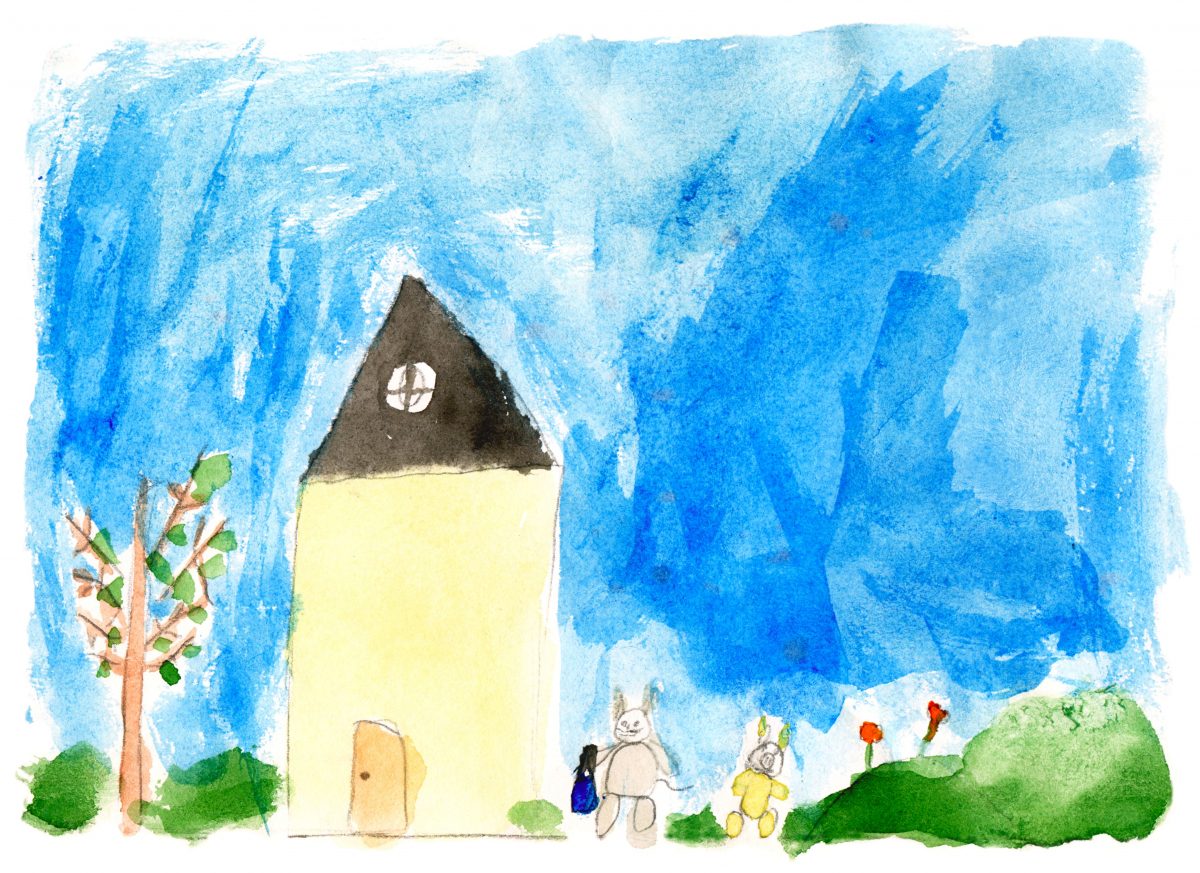
Reggio-Inspired programs are of the belief that children have one hundred languages, or ways to express themselves. The one hundred languages are often expressed through drawings, sculpting, music and movement, dramatic play, storytelling and painting. At River Heights Child Care, we have enhanced our Montessori program to include additional areas of exploration that allow children to use their hundred languages.

Dramatic Play
Through access to dramatic play materials, children are able to dramatize situations, pretend to be someone or something different from themselves, and take on risky roles in a safe environment. This type of play increases vocabulary and builds on literacy and numeracy concepts in meaningful contexts. They can see the world from a different perspective, develop confidence and social skills, empathy, problem solving skills. They learn how to self-regulate their emotions, and how to recognize the feelings of others. In the dramatic play area, educators act as play-partners, scaffolding the children’s learning to a new level. Observing children immersed in role playing provides educators with a glimpse of the child’s understanding of their world.
“Our task, regarding creativity, is to help children climb their own mountains, as high as possible. No one can do more.” – Loris Malaguzzi
Constructive Play
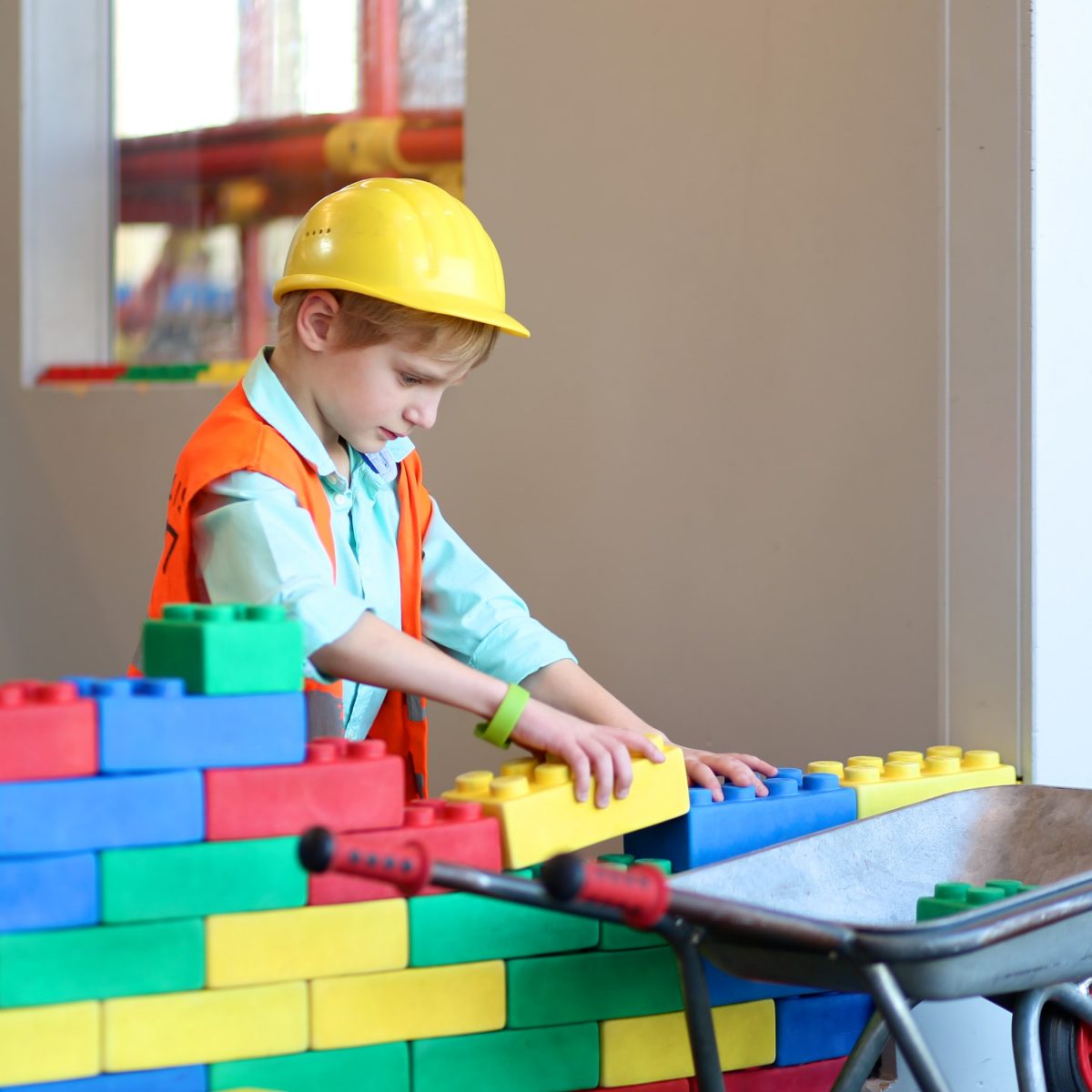
Children who are engaged in constructive play use materials to create something, and this increases in complexity as they get older. These materials can be blocks, tubes, ramps, boards; but constructive play can also be seen with play dough, and other fine-motor play. Constructive play allows children to be engineers, building for the sake of building, or for something they can use in other forms of play – such as a house or fort to engage in dramatic play. Dramatic play and constructive play often go hand-in hand, and these two play areas are in close proximity to one another for ease in sharing of materials. Children learn to collaborate, plan, and design while developing spatial awareness, gross and fine motor skills, problem solving, critical thinking and logical reasoning.
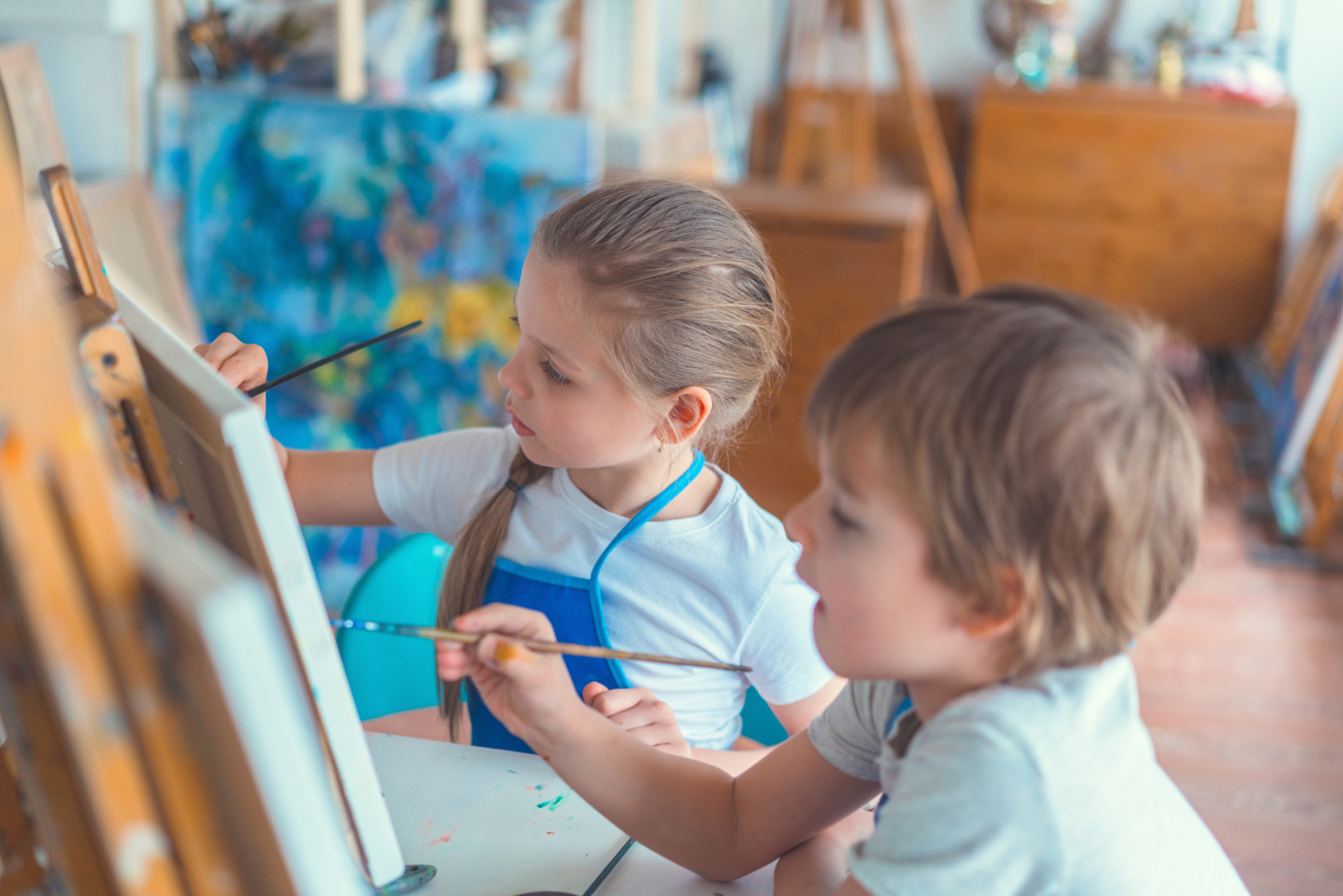
Visual Arts
You won’t find cookie-cutter crafts in our program…In Reggio-Inspired classrooms there are ateliers, or Art Studios where children receive art instruction using various mediums such as paint, pastels, clay, wire, collage, and textiles and paper. Children encounter many types of materials, expressive languages and points of view. Our Reggio Master Educators act as researchers alongside the children, documenting stages of their art exploration through photographs and real-time dialogue notation while the children are creating. Educators make determinations about the direction of the children’s learning and provide additional provocations to test out their theories.
“Schools should be made of spaces where the hands of children could be active for messing about, with no possibility of boredom, hands and minds would engage each other with great liberating merriment in a way ordained by biology and evolution.” – Loris Malaguzzi

Reggio-Kids Music
Following the Reggio-Inspired philosophy that is used in the classroom, the Reggio-Kids Music program follows the interests of the children that are emerging throughout the week, leading to a unique curriculum that is developed alongside the children. It is based on the philosophical assumption that all children have a natural capacity to develop musical skills and abilities, and that children learn through play. Through the use of percussion instruments, guitar and voice, children are led through a magical, movement-rich program to enhance their love of music. Music is one of the hundred languages children have to express themselves. Although our Reggio-Kids Music program is offered weekly, children have daily access to muscial instruments in the classroom, with music and movement as a large part of the daily program.
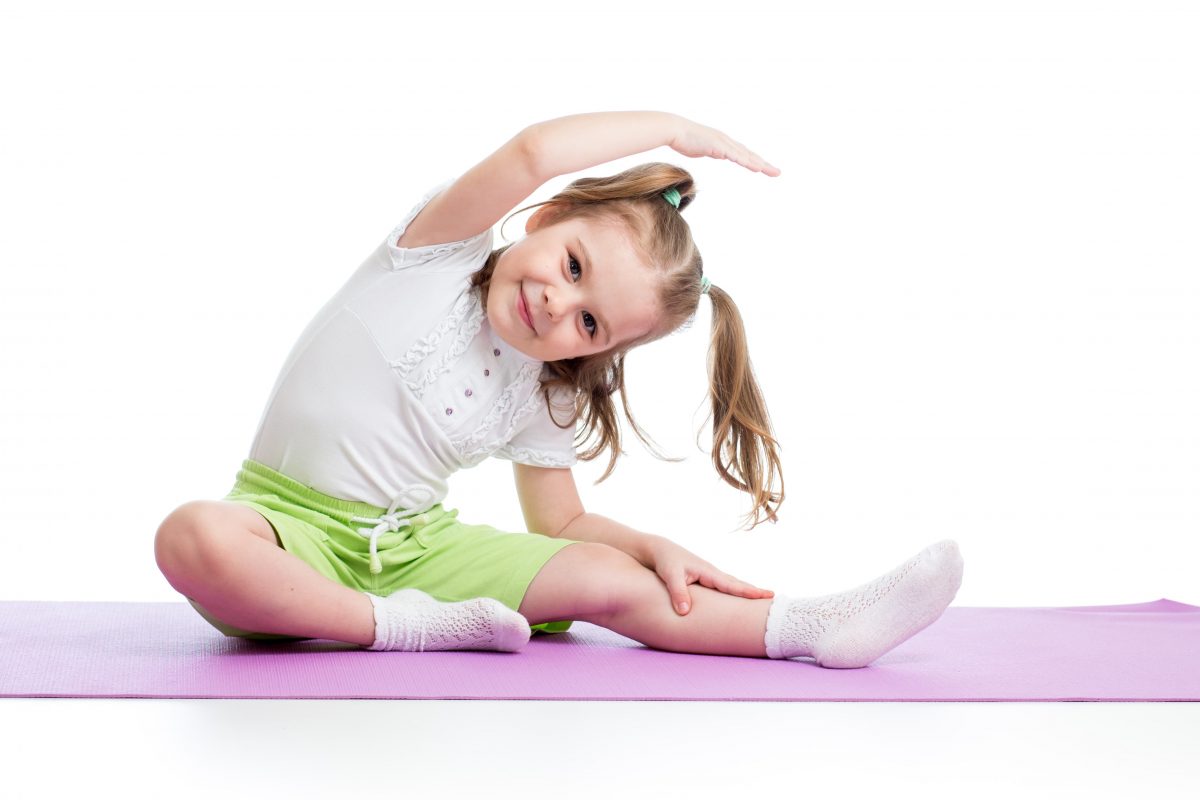
Kids Yoga
Our weekly offering of Kids Yoga for our Preschool Program is an introduction to self-care practices that can extend through adulthood. Through music, dance and storytelling, children learn about their bodies and are introduced to breath work, yoga poses, stretching and sensory games – leading to self-regulation, emotional learning, mindfulness and gratitude. Kids Yoga builds self-esteem, body awareness, concentration and focus in a fun, engaging and healthful way.
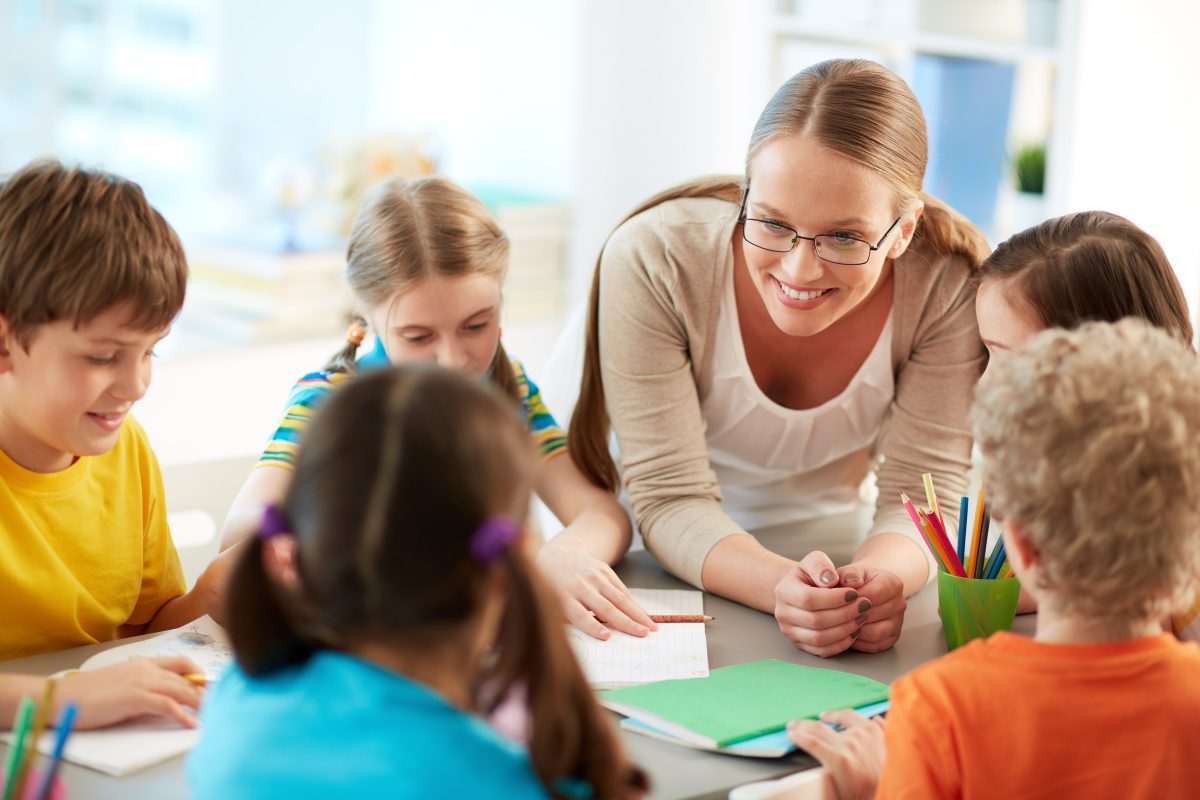
Intro French
The first years of life are when your child is in their sensitve period for learning language. By age 12-18 months your child will have acquired about 20 words. By the time they turn 3 years old, they will have a vocabulary of 1000 words! Being introduced to basic French through games and songs during this high absorption period for language gives your child an advantage for school-readiness, and in learning additional languages more easily later on!